
E-commerce parcel volume in the U.S. has grown over 120% in the last five years, and it's not slowing down. For distribution centers, fulfillment operations, and third-party logistics providers, the bottleneck is rarely the conveyor belt itself — it's every point where parcels need to change direction, merge, sort, or transfer between systems.
These transition points are where jams happen, throughput drops, and product damage occurs. And they're exactly where omni-directional ball transfer units make the biggest difference.
Where Parcels Get Stuck
In a typical parcel handling operation, there are four high-friction zones that cause the majority of slowdowns:
- Merge points — where multiple conveyor lines feed into a single trunk line
- Sorting stations — where parcels need to be diverted to lane-specific destinations
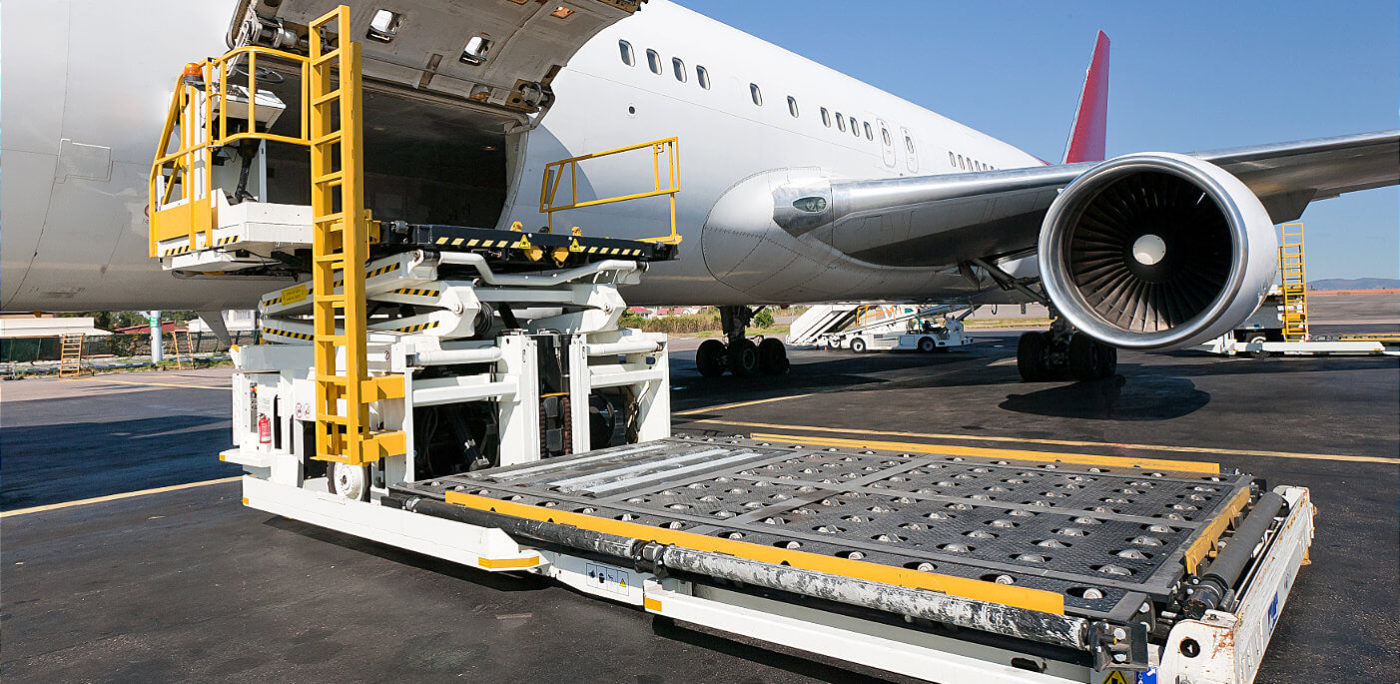
- Loading docks — where parcels transfer from conveyor to truck or container
- Manual workstations — where operators inspect, label, or repack items
At each of these points, parcels need to move in directions that a standard linear conveyor can't accommodate. A box coming down one line needs to be rotated 90 degrees to merge onto another. A package arriving at a dock needs to slide laterally into a loading position. These aren't exotic requirements — they're the reality of every facility moving parcels at scale.
How Ball Transfers Eliminate the Bottleneck
Ball transfer units are deceptively simple: a main ball seated on a cluster of smaller bearing balls, housed in a cup that mounts into a table or conveyor frame. The result is a surface that allows loads to move freely in any direction with minimal force.
Here's how they solve each bottleneck:
Merge Points: Smooth Multi-Directional Flow
At conveyor merge points, ball transfer tables installed between incoming lines allow parcels to glide into the trunk line regardless of their arrival angle. This eliminates the "traffic jam" effect where boxes stack up waiting for a linear push onto the main line. Stud mount units are the most popular choice for merge tables — they're easy to install in drilled mounting plates and handle loads from 75 to 350 lbs per unit.
Sorting Stations: Rapid Directional Changes
Automated sorters need parcels to change direction quickly without tipping or snagging. Spring-loaded ball transfers are designed specifically for this: they sit flush or below the conveyor surface until activated, then pop up to redirect items at speed. When the parcel passes, they retract automatically. This works with both manual push-divert systems and automated pop-up sorters.
Loading Docks: Lateral Movement Under Load
At the dock, parcels often need to slide laterally from conveyor onto roller beds, loading platforms, or directly into trailers. Heavy-duty machined stud mount or machined press ball transfers handle loads up to 500 lbs per unit, making them ideal for dock-side transfer tables that see constant heavy use.
Manual Workstations: Ergonomic Repositioning
Operators at packing and inspection stations need to rotate parcels without lifting. A workstation surface fitted with flange mount or disk mount ball transfers lets workers spin items with one hand — reducing repetitive strain injuries and speeding up the process.
Choosing the Right Ball Transfer for Your Application
Not all ball transfers are interchangeable. The right unit depends on load weight, environment, and mounting method. Here's a quick reference:
| Application | Recommended Type | Load Capacity | Key Advantage |
|---|---|---|---|
| Merge tables | Stud Mount | 75 – 350 lbs | Easy replacement, versatile |
| Automated sorting | Spring Loaded | 75 – 125 lbs | Self-retracting, flush mount |
| Dock transfer | Machined Stud | 150 – 500 lbs | Heavy-duty precision |
| Workstations | Flange Mount | 75 – 125 lbs | Surface-mounted, low profile |
| Food / cleanroom | Stainless Stud | 75 – 350 lbs | Corrosion resistant, washdown safe |
Real-World Impact: The Numbers
Facilities that install ball transfer tables at key transition points typically see measurable improvements:
- 15–25% reduction in jams at merge and sorting points
- Up to 40% less product damage compared to fixed-angle diverters
- Faster loading times at docks — parcels slide into position instead of being lifted and placed
- Lower injury rates at manual stations from reduced lifting and repetitive motion
Facilities that install ball transfer tables at three or more merge points typically cut their jam rate in half, with ROI measured in weeks rather than months.
Let's Find Your Bottleneck Fix
Tell us about your parcel handling operation and we'll recommend the right ball transfer configuration for your specific application. Most orders ship same day before 2 PM EST.
Get a QuoteGetting Started
If your operation is experiencing slowdowns at any transition point, ball transfers are one of the fastest, most cost-effective upgrades you can make. No motors, no programming, no maintenance contracts — just precision-engineered steel balls that keep your parcels moving.
Browse our full product catalog or contact our team to discuss your application. With 20+ years of experience and 50+ product configurations, we'll help you find the right fit.